Buying a Home in Sarasota This Fall? Understand Flood Zones and Evacuation Zones
A home can have the right layout, a convenient location, and a price that fits your budget. Before making an offer, there are two more details worth checking: its flood zone and its hurricane evacuation level.
Sarasota flood zones and evacuation zones serve different purposes. Flood maps describe mapped flood hazards and help inform insurance and lending decisions. Evacuation levels help residents understand when they must leave an area under a local evacuation order.
One designation does not replace the other. Sarasota County specifically notes that changes to its flood maps do not change hurricane evacuation levels.
For buyers looking this October, these questions are especially relevant. Atlantic hurricane season continues through November 30, according to the National Hurricane Center.
Understanding both designations helps you ask better questions about a property, prepare your ownership budget, and plan for life in your new home.
What Do Sarasota Flood Zones Tell Homebuyers?
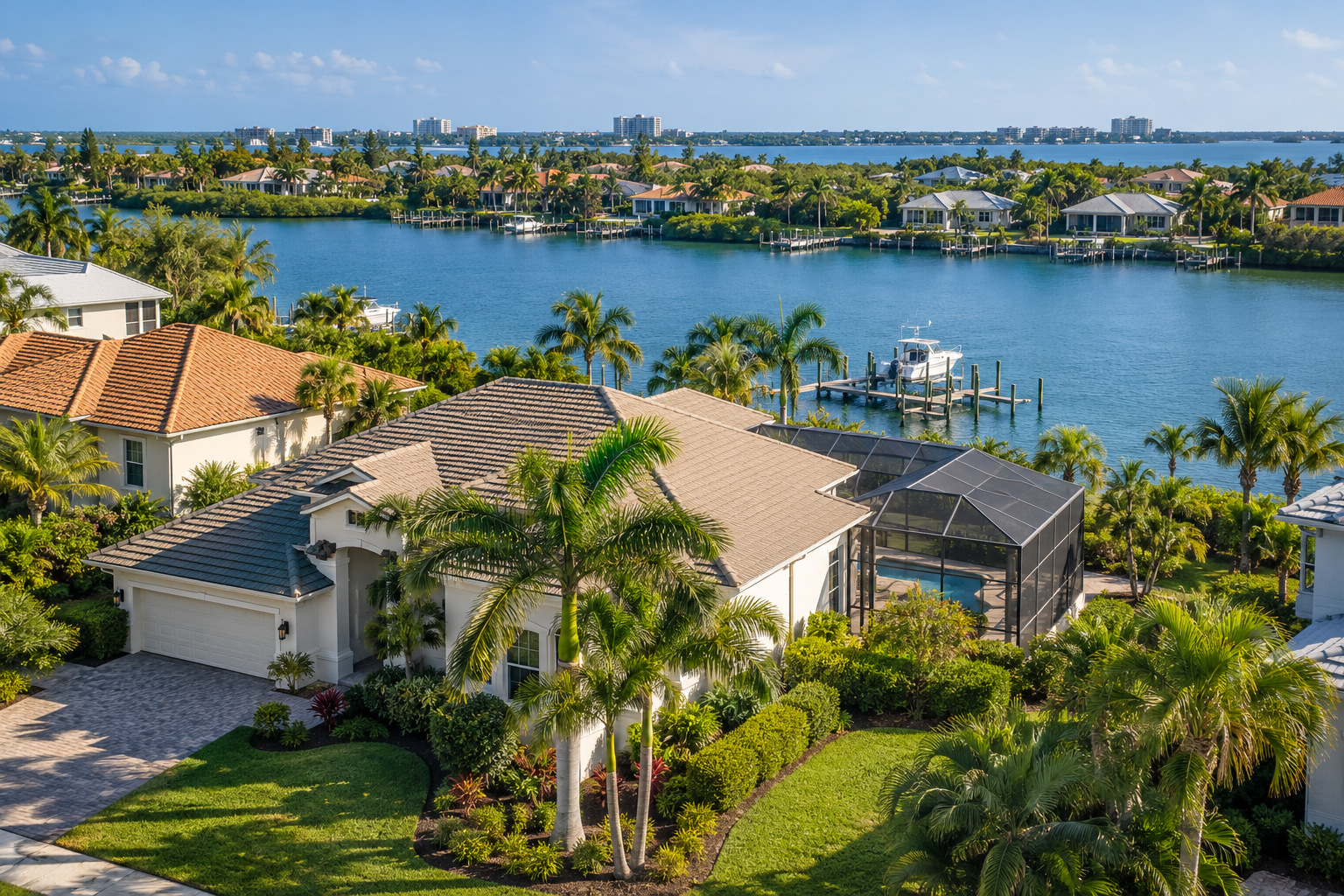
A flood zone identifies a property’s mapped flood hazard on a FEMA Flood Insurance Rate Map. It is a starting point for understanding risk, rather than a prediction of what will happen during the next storm.
Some common designations include:
- A and AE: Areas mapped within the high-risk, 1% annual-chance floodplain.
- V and VE: High-risk coastal areas associated with additional wave hazards.
- Shaded X: Generally mapped as moderate flood hazard.
- Unshaded X: Mapped as minimal flood hazard.
A “1% annual chance” means that the flood event has that probability in any given year. It does not mean flooding happens only once every 100 years. FEMA uses these classifications to distinguish mapped hazard areas.
For a buyer, the next question is practical: what does the designation mean for this particular house?
Ask your lender and insurance agent to review the exact address. Avoid making a decision based only on a neighborhood description or a listing’s brief reference to flood risk.
What Is a Hurricane Evacuation Level?
An evacuation level identifies an area used by local officials when issuing hurricane evacuation orders. It is part of your emergency plan, rather than a substitute for an insurance review.
Sarasota County provides a Know Your Level resource through its hurricane preparedness website. When the county orders an evacuation for an identified level, residents within that level need to leave. The county also warns that coastal roads can become flooded before a storm arrives, affecting evacuation routes.
Before buying, consider how you would carry out that instruction:
- Where would your household go?
- How would you transport pets?
- Would anyone need assistance, medications, or special equipment?
- What route would you use?
- How would you receive local emergency updates?
These questions help turn a map designation into a workable household plan.
Can a Zone X Home Still Have Flood Risk?
Yes. A lower mapped flood hazard does not mean a home cannot flood.
The National Flood Insurance Program explains that properties outside mapped high-risk areas still face flood risk. It recommends considering coverage even when a lender does not require it.
Think of the map as one part of your property research. You should also ask about the home’s history and review available records.
Useful questions include:
- Has water entered the home, garage, or other enclosed areas?
- What flood-related repairs has the seller disclosed?
- Are documents available for those repairs?
- Is an elevation certificate available?
- What additional information does the insurance agent need to quote coverage?
An unanswered question deserves follow-up. It should not become an assumption that the property has no risk.
How Do You Check a Sarasota Property Before Making an Offer?

Start with the exact address and review flood and evacuation information separately.
1. Look Up the Flood Zone
Use Sarasota County’s official flood-map resources or the FEMA Flood Map Service Center. Sarasota County directs residents to both resources and offers assistance when a flood-zone determination is needed.
Confirm that you are reviewing the correct property. If the result is unclear, ask the county, your lender, or a qualified insurance professional for help interpreting it.
2. Check the Evacuation Level
Use the county’s hurricane preparedness resources to locate the property’s evacuation level.
Save this information separately from your flood-zone result. Keeping both records helps prevent a common mistake: treating one map as the answer to both questions.
3. Request Insurance Quotes Early
Give your insurance agent the property address and request an explanation of the proposed coverage, exclusions, deductibles, and effective date.
Most homeowners insurance policies do not cover flood damage. A homeowners policy and a flood policy therefore need separate consideration.
4. Confirm Your Lender’s Requirements
Flood insurance is generally required for buildings in a Special Flood Hazard Area when they have a federally backed mortgage. Ask the lender to confirm the requirements for your specific purchase.
5. Review the Findings Before Your Decision Deadlines
Keep your map results, quotes, disclosures, and follow-up questions together.
Discuss unresolved issues with the appropriate professionals before the applicable deadlines in your purchase agreement. This gives you a clearer basis for deciding whether to proceed, investigate further, or consider another property.
What Should Lakewood Ranch Buyers Do?
Buyers comparing Lakewood Ranch homes should use the same address-specific approach.
A community name, newer construction, or distance from the beach should not replace a flood-map check and insurance review.
Confirm the property’s county jurisdiction first, then use that jurisdiction’s official emergency-management resources. The Sarasota County resources in this article apply to properties within Sarasota County.
When comparing homes, create a simple record for each address:
- Mapped flood zone
- Local evacuation designation
- Insurance quotes and deductibles
- Available flood-history information
- Questions still awaiting answers
This makes your comparison more useful than a general statement that one community is “safer” than another.
How Should Flood Insurance Fit Into Your Buying Budget?
Flood insurance should be considered alongside your mortgage payment, property taxes, homeowners insurance, and any community fees.
Ask for a property-specific quote. Another homeowner’s premium may not reflect the coverage or cost for the house you want to buy.
FEMA’s NFIP pricing approach considers each property’s specific flood risk.
Timing also matters. NFIP policies typically have a 30-day waiting period, although exceptions apply, including certain mortgage-related purchases. Confirm the effective date with your agent rather than assuming coverage begins immediately.
A useful question is: “What coverage will be active when I take ownership, and what financial responsibilities would remain after a covered loss?”
That discussion helps you evaluate ownership costs more clearly.
A Practical Example: Comparing Two Sarasota Homes
Imagine two homes with similar asking prices.
For the first, the buyer has reviewed the official maps, received insurance quotes, and obtained answers about the seller’s disclosed repairs. For the second, the buyer has only been told that the property is “not in a flood zone.”
The first property is not automatically the better purchase. However, its documented information gives the buyer a stronger basis for comparison.
For the second property, the next step is to verify what that statement means. Does it refer to being outside a Special Flood Hazard Area? Has anyone checked the evacuation level? Has an insurer reviewed the address?
The goal is to replace broad assurances with information you can use.
Frequently Asked Questions
Are Flood Zones and Evacuation Zones the Same?
No. Flood zones describe mapped flood hazards. Evacuation designations support local hurricane evacuation decisions. Check both for the property you are considering.
Does Zone X Mean a Home Is Flood-Proof?
No. Zone X indicates a lower mapped hazard than a Special Flood Hazard Area, but flooding can still occur. Review the property’s history and discuss coverage with an insurance professional.
Will My Mortgage Lender Require Flood Insurance?
That depends on the property’s flood designation and the loan requirements. Ask your lender for its determination for the exact address.
Does Homeowners Insurance Usually Cover Flood Damage?
Most homeowners insurance policies exclude flood damage. Ask your agent to explain your coverage and whether a separate flood policy is appropriate.
Should I Check These Details Before Making an Offer?
Ideally, start early. If information is still outstanding when you make an offer, discuss how your purchase agreement and review periods address those questions.
Buying in Sarasota? Start With Clear Property Information
Knowing a home’s flood zone and evacuation level helps you understand more than its location. It supports your insurance review, ownership budget, and household planning.
If you are exploring homes in Sarasota, Kevin Schumacher can help you organize your search and identify property questions to address with your lender, insurance agent, and local officials.
Discuss your Sarasota homebuying plans with Kevin at 941-420-4581 or kevin@kevinsellsflorida.com. These contact details are listed on Kevin’s Florida website.
Categories
Recent Posts






GET MORE INFORMATION